Filter by Category:
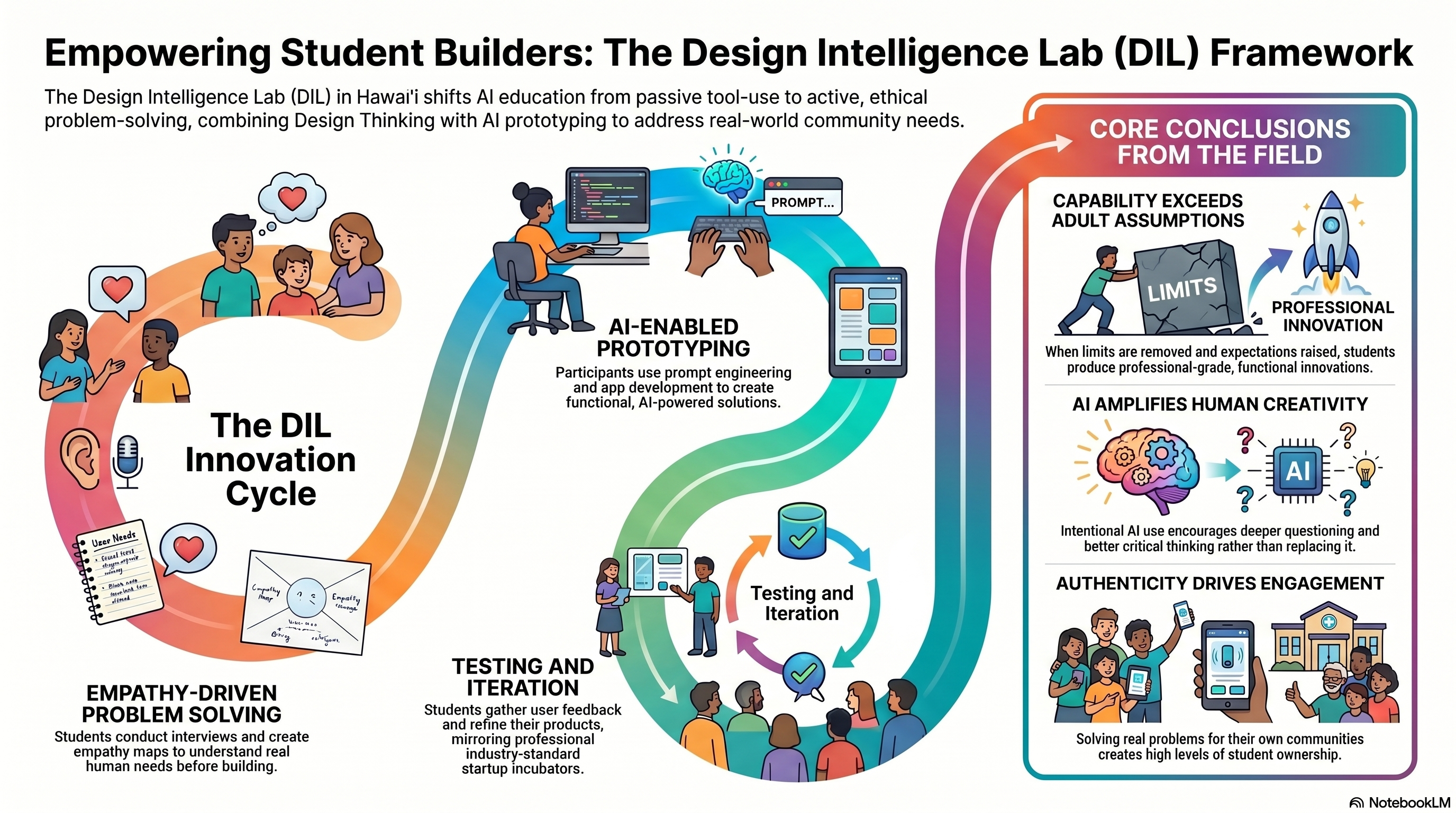
Hawaiʻi’s Students Are Not Waiting for the Future of AI — They are Building It
The Design Intelligence Lab (DIL) in Hawaiʻi is demonstrating how AI can be taught as a tool for empathy, creativity, and real-world problem solving rather than something to fear. Through a combination of design thinking and AI, middle and high school students identified authentic community and school challenges, built AI-enabled prototypes, tested them with real users, and improved them through feedback. The program emphasizes human-centered innovation, teaching students to listen to users, think critically, and solve problems collaboratively while building technical and communication skills. DIL offers a powerful model for educators and parents seeking ways to prepare students to become thoughtful builders and leaders in an AI-driven future.
Read More →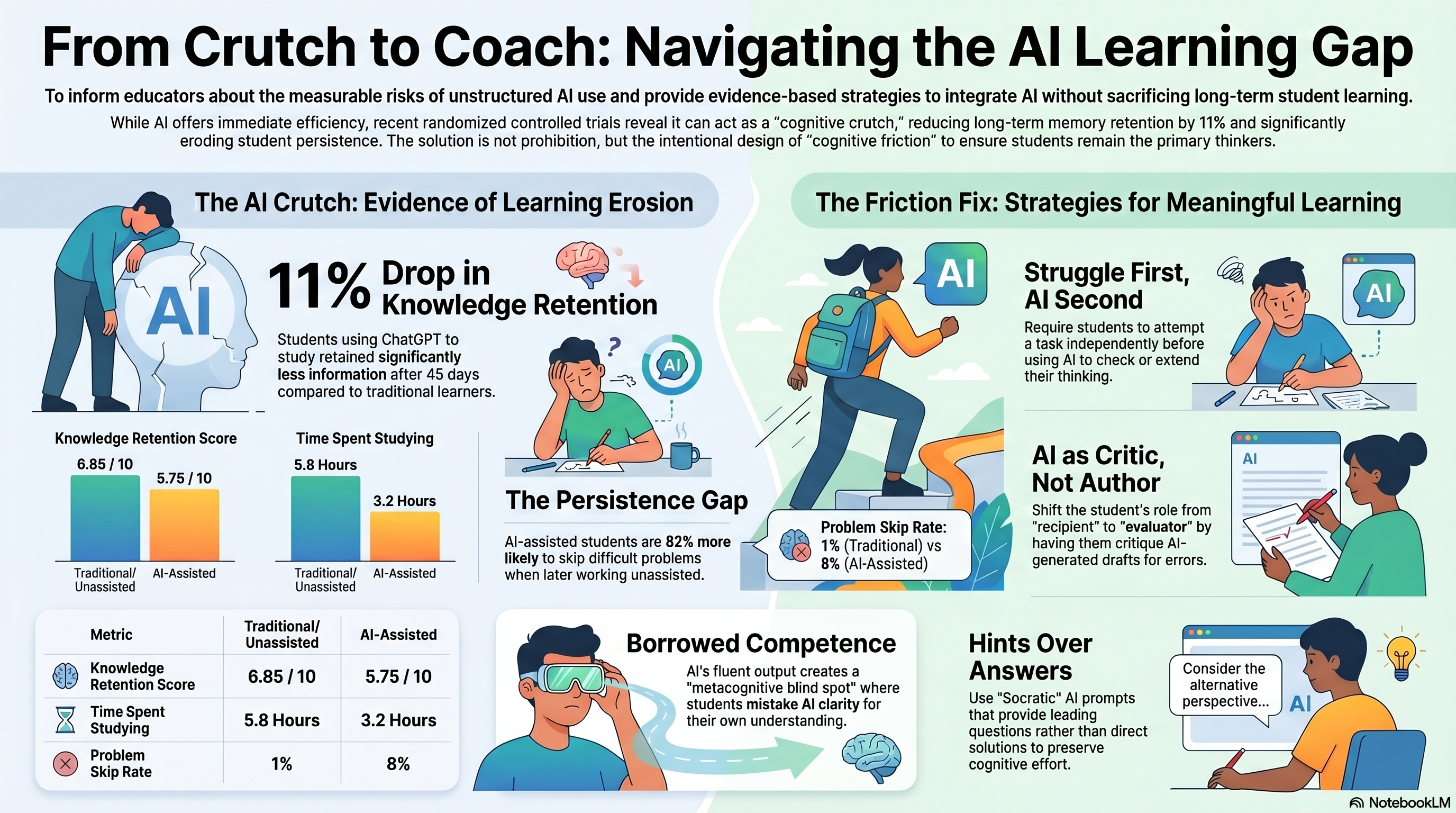
The Effort Paradox: Why How Students Use AI Matters More Than Whether They Use It
The core principles of effective learning — effortful retrieval, generative responding, productive struggle, spaced practice — are not rendered obsolete by generative AI. The current evidence suggests they are more important to protect than ever.
Read More →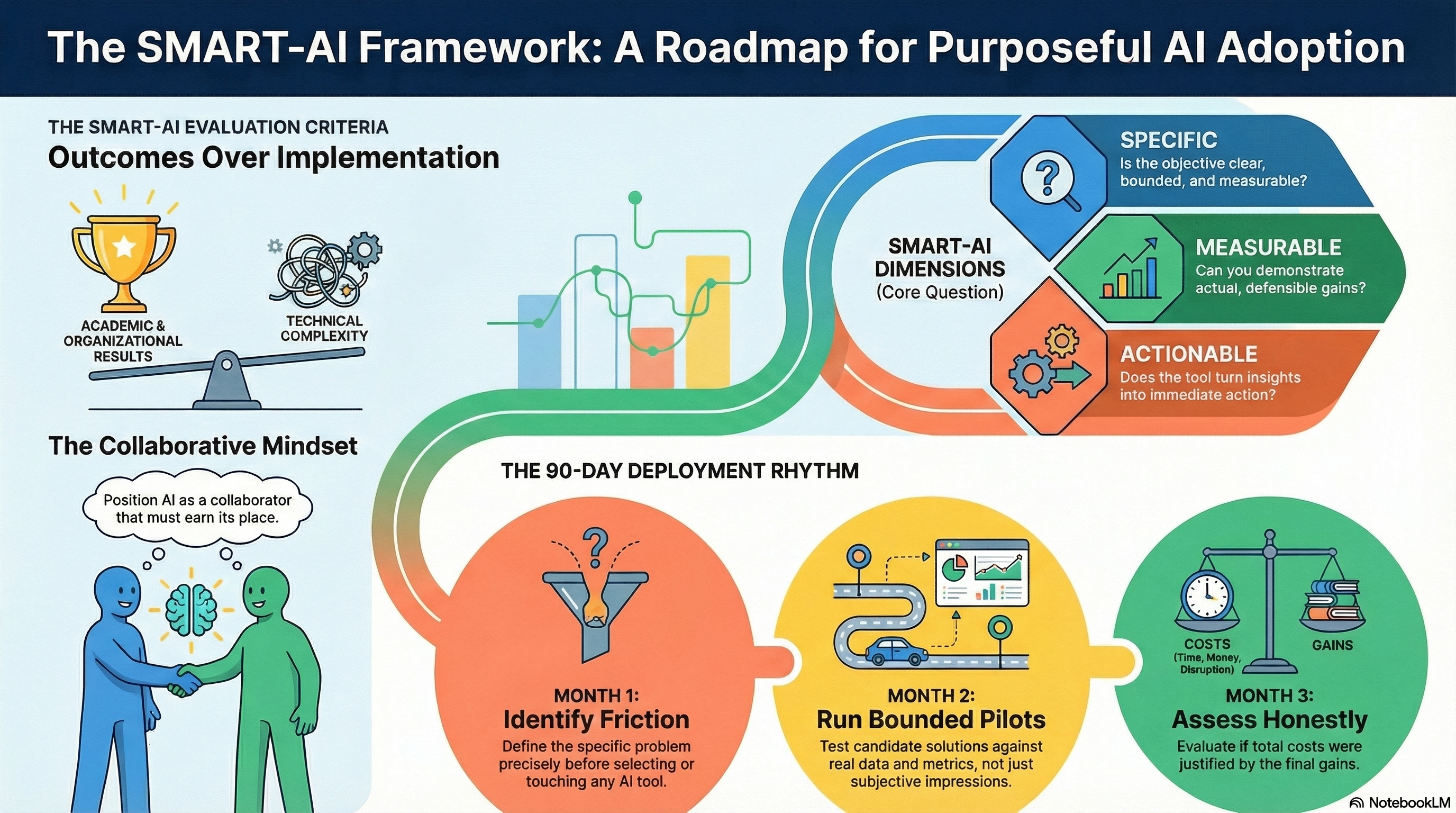
The SMART-AI Framework
The SMART-AI framework argues that effective AI adoption is not about using the newest or most powerful tools, but about solving clearly defined problems with measurable, reliable, and integrated outcomes. It provides a structured approach through specific criteria and a 90-day deployment cycle to ensure AI delivers real value rather than hype-driven implementation. Ultimately, it emphasizes that human-centered skills like critical thinking, ethics, and communication remain essential as AI becomes a practical collaborator in education and work.
Read More →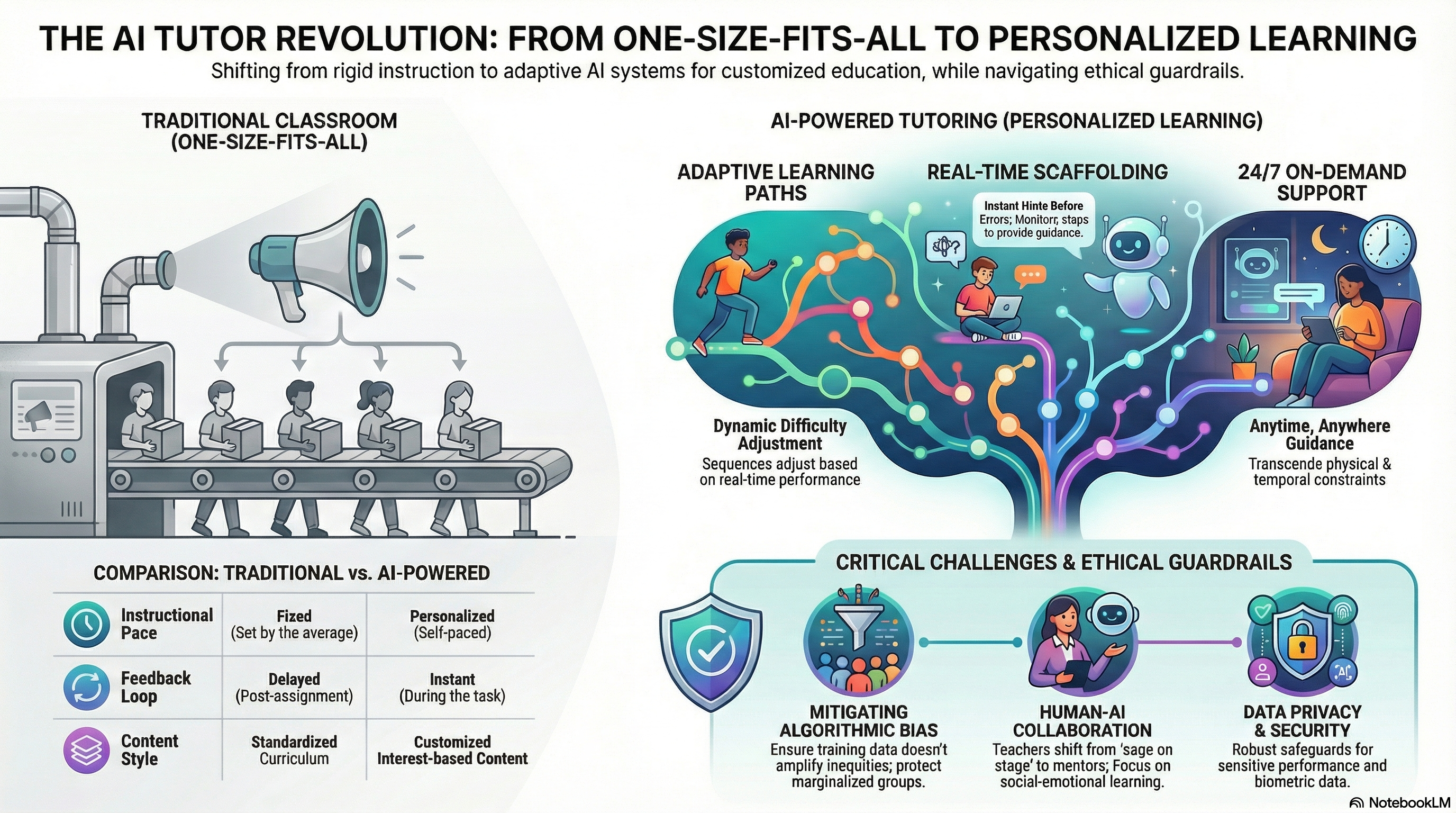
AI Tutors in Education: Design Assumptions, Learning Theory, and Instructional Impact
This document critically examines AI tutoring systems through the lens of learning science, arguing that their educational value depends far more on theoretically grounded instructional design than on technical sophistication alone. It shows that AI tutors are most effective in structured domains and short-term outcomes, while evidence for deep conceptual understanding, transfer, and equity remains limited and highly context-dependent. Ultimately, the paper positions AI tutors as sociotechnical instructional tools whose impact hinges on careful integration with pedagogy, assessment, ethics, and the evolving role of teachers rather than as standalone solutions to educational challenges.
Read More →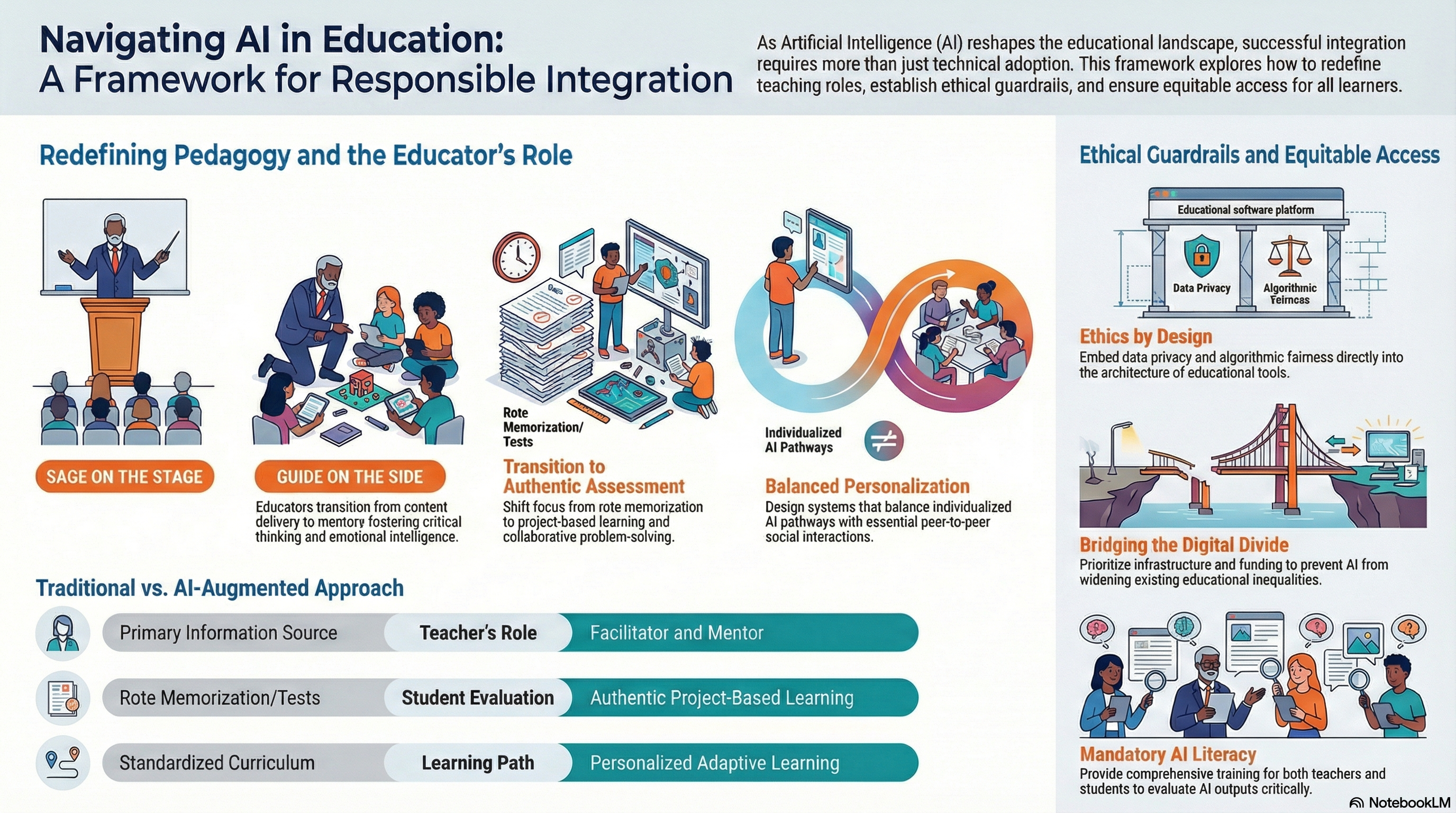
Navigating the Integration of Artificial Intelligence in Education: A Framework of Critical Questions
AI is set to transform education through more personalized and efficient learning tools, but its successful adoption requires careful attention to pedagogy, ethics, and equitable implementation. This blog argues that a thoughtful, collaborative approach is essential to ensure AI enhances learning while safeguarding fairness, privacy, and human-centered education.
Read More →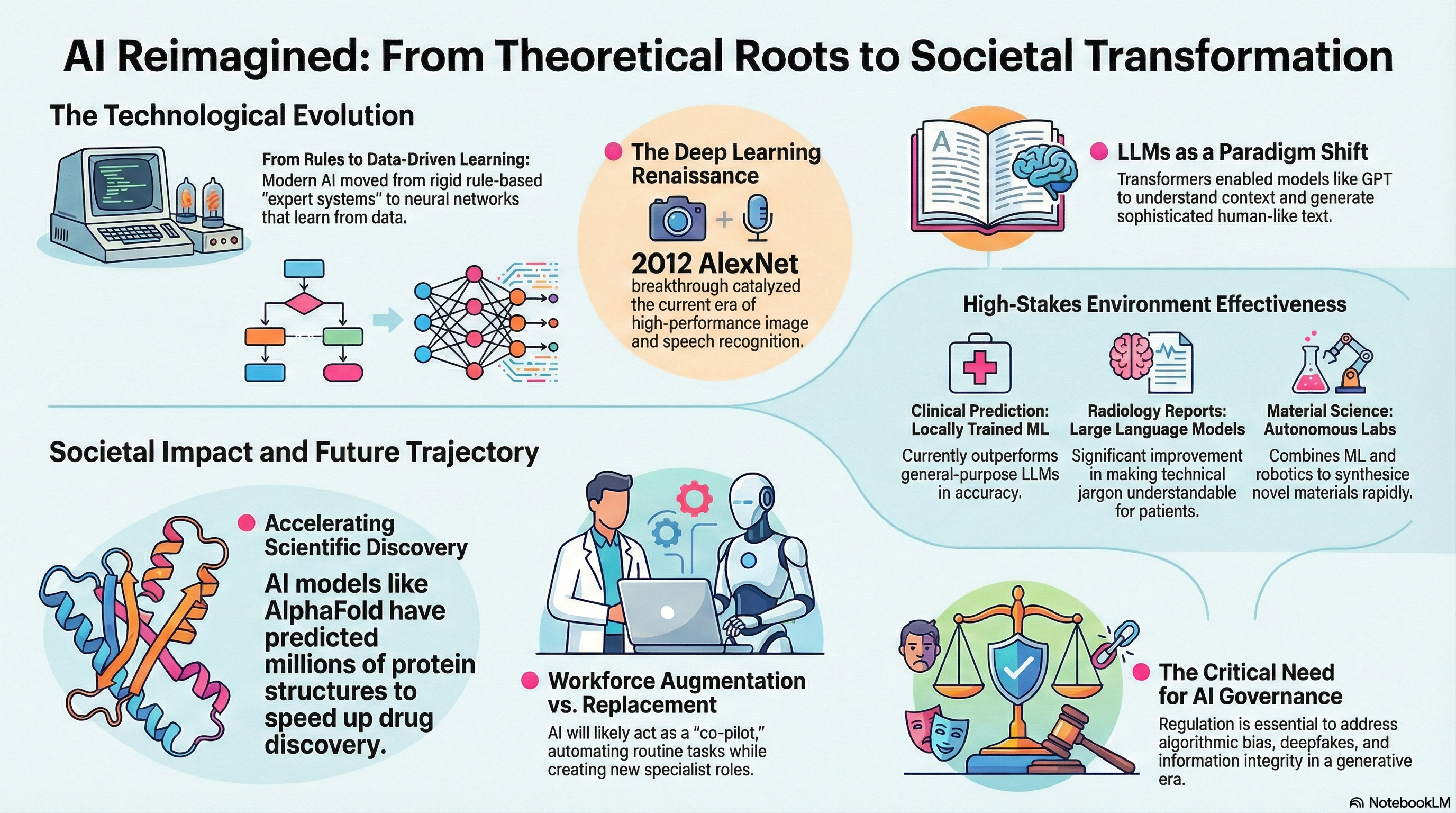
The Evolution and Societal Impact of Artificial Intelligence: From Machine Learning to Large Language Models
This review traces the evolution of AI from its theoretical roots to today’s era of machine learning, deep learning, and large language models, highlighting key historical milestones and technological breakthroughs. It examines AI’s current impact across science, medicine, education, and industry, and critically discusses future societal, ethical, and governance challenges, emphasizing the need for a human-centric approach.
Read More →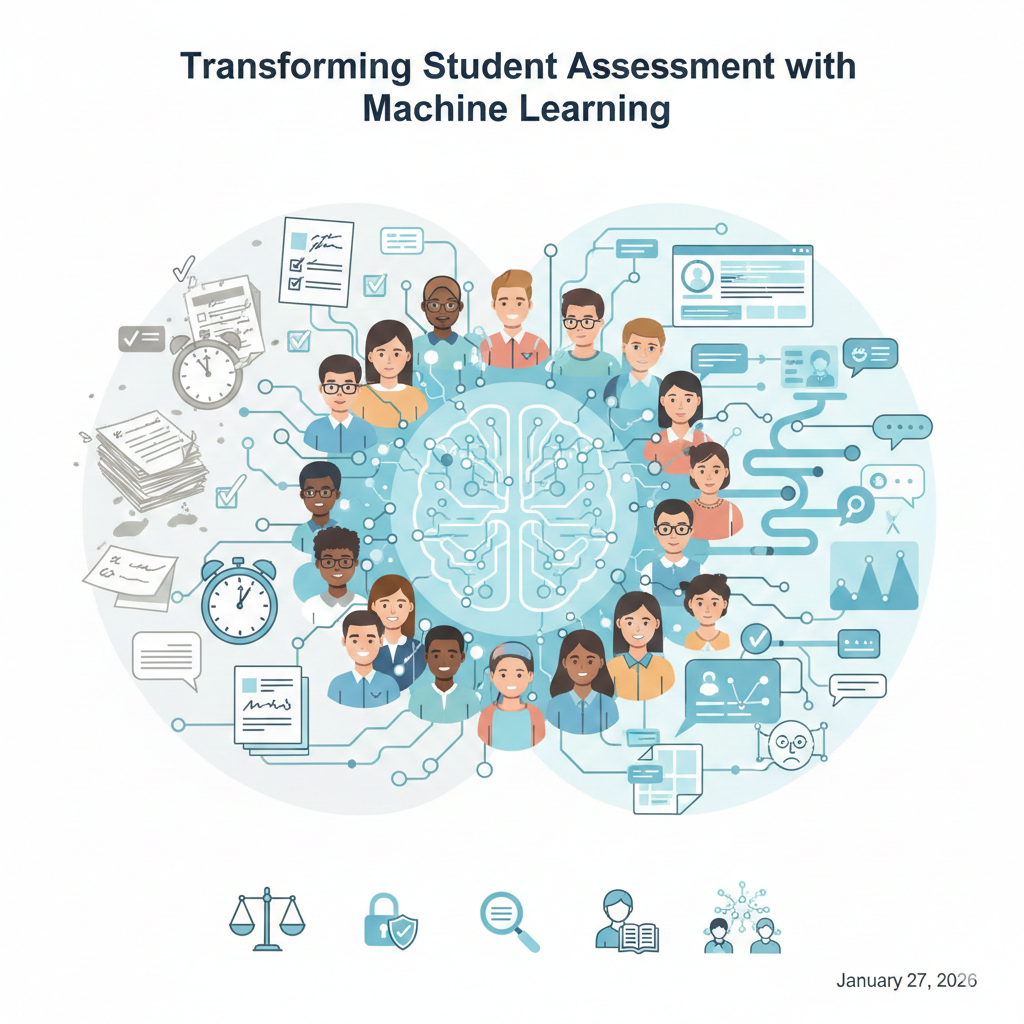
Transforming Educational Assessment: The Role of Machine Learning in Evaluating Student Performance
Transforming Educational Assessment: The Role of Machine Learning in Evaluating Student PerformanceAbstractThe integration of Artificial Intelligence (AI) and Machine Learning (ML) is catalyzing a...
Read More →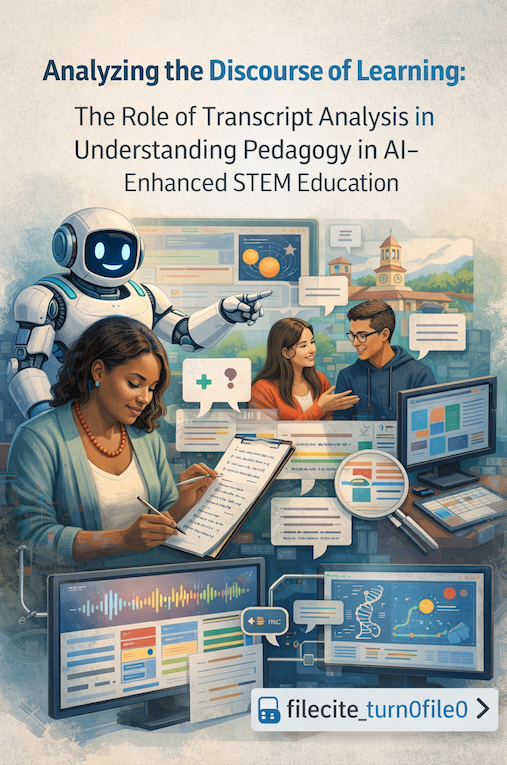
Analyzing the Discourse of Learning: The Role of Transcript Analysis in Understanding Pedagogy in AI-Enhanced STEM Education
Analyzing the Discourse of Learning: The Role of Transcript Analysis in Understanding Pedagogy in AI-Enhanced STEM EducationAbstractThe integration of Artificial Intelligence in Education (AIEd) is...
Read More →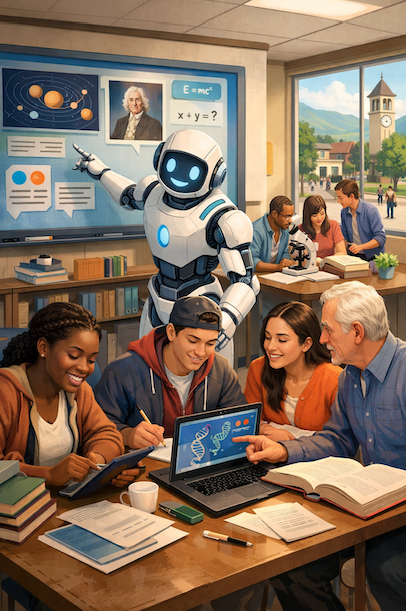
Using GPTs as Learning Scaffolds in Community Colleges
Using GPTs as Learning Scaffolds in Community CollegesBy Dylan A. Bulseco, Ph.D.SVP R&D, Institute for Future IntelligenceA Bloom’s-Aligned Roadmap for Ethical, Rigorous AI IntegrationCommunity...
Read More →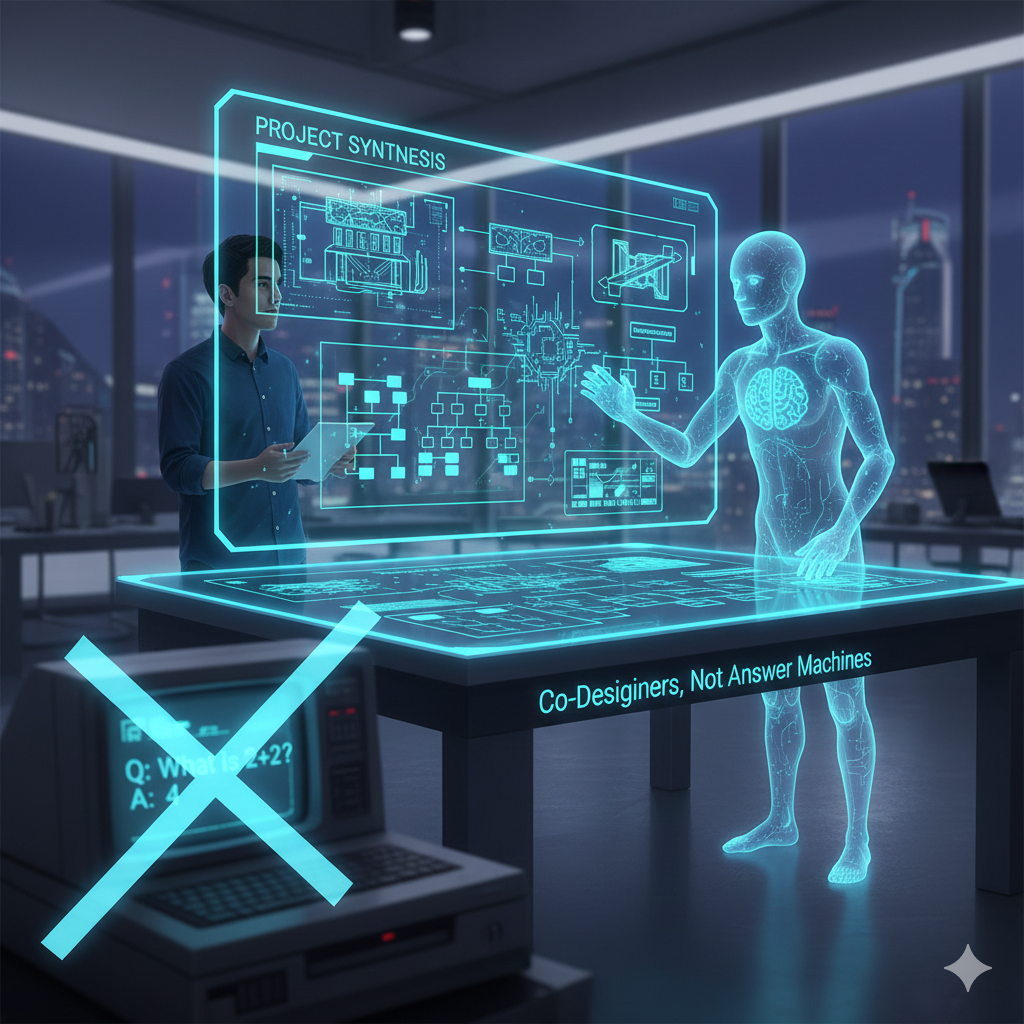
Using GPTs as Co-Designers, Not Answer Machines
Below is a blog post that translates my core ideas into an educator-facing roadmap. It is written to be informative, reflective, and pragmatic—aimed at faculty who are trying to move past “Should I use AI?” toward “How do I use it well, responsibly, and with purpose?” The framing and language are grounded directly in the collaboration metaphors and principles that should be articulated in Human-AI collaboration.
Read More →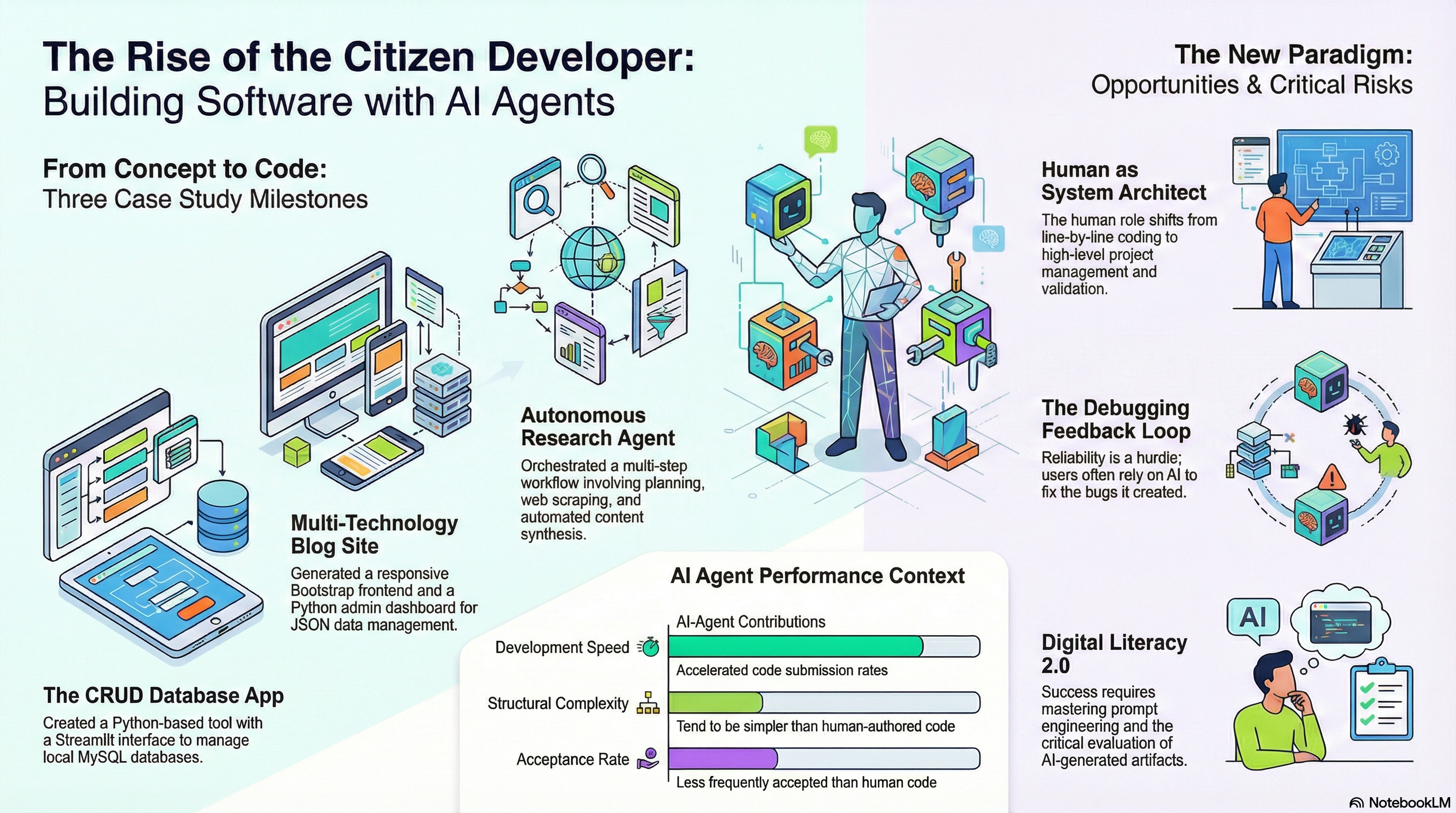
The Rise of the Citizen Developer: An Exploratory Case Study on AI-Agent-Assisted Application Development by Non-Programmers
This exploratory case study shows that AI coding agents can enable non-programmers to build increasingly complex software by scaffolding the full development lifecycle, dramatically lowering barriers to software creation. At the same time, it highlights persistent challenges—code reliability, required human oversight, and unresolved questions around responsibility and governance—that redefine the role of human developers in AI-assisted engineering.
Read More →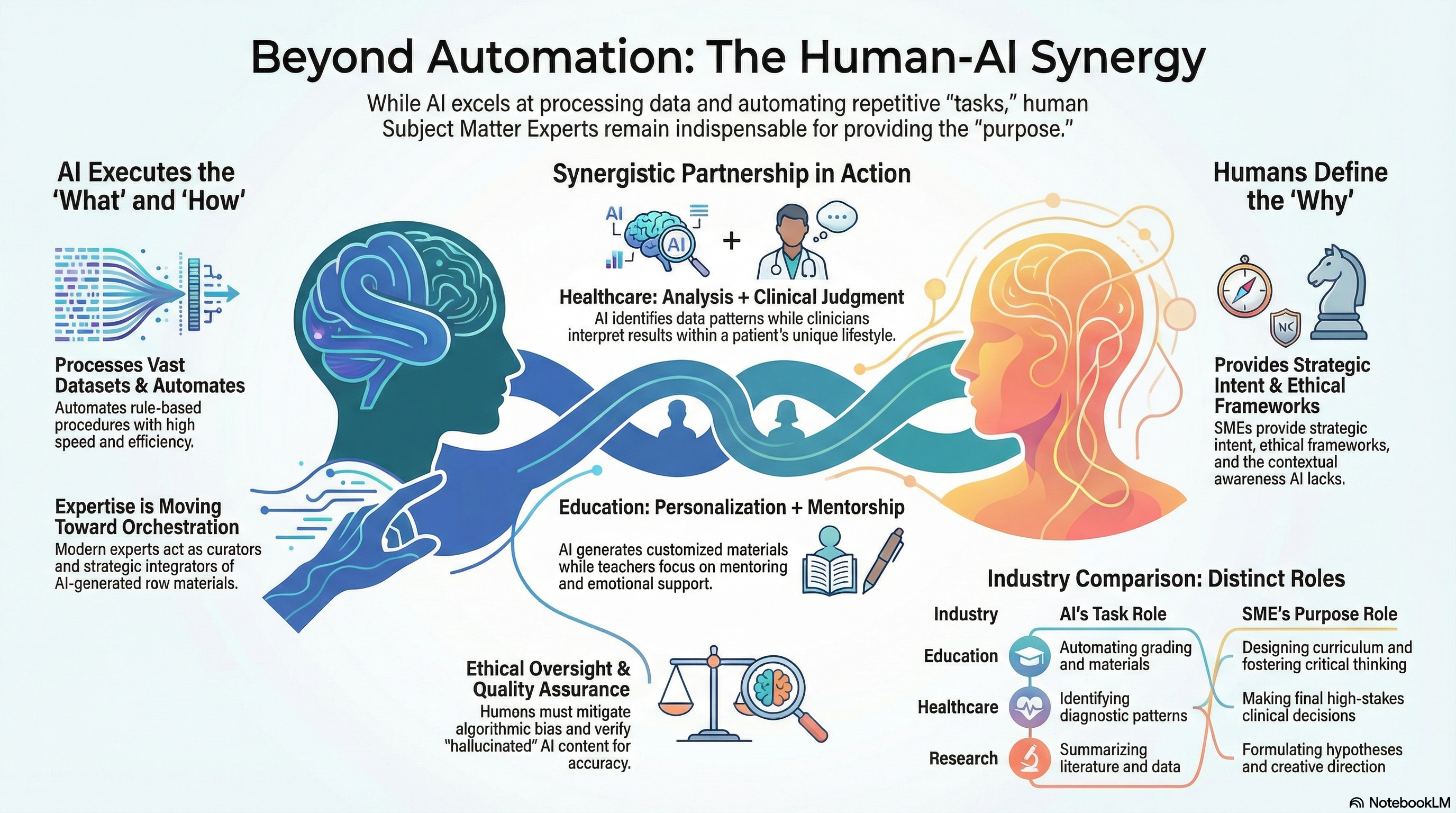
The Indispensable Human: Navigating the Synergy of Subject Matter Expertise and Artificial Intelligence
AI should be viewed not as a replacement for human expertise but as a tool that augments it, with AI handling data-heavy and repetitive tasks while human subject matter experts provide purpose, context, ethics, and strategic judgment. It concludes that a synergistic human–AI collaboration is essential to maximize AI’s benefits while preserving and amplifying human intellectual value.
Read More →